LEAD – ACHIEVE – CONQUER
Be The Leader You Wanted To Be
Managers Do Things Right … Leaders Do The Right Thing.
—
Be The Leader You Wanted To Be
Managers Do Things Right … Leaders Do The Right Thing.
—

Being a leader has always been my aim from a very young age since the day I came across the quote “A Leader is one who knows the way, goes the way and shows the way – John C Maxwell” (John C Maxwell 1993 – Developing the leader within you). I was fascinated after realizing the importance of a leader in a company and personally troubled, not knowing what steps to take in order to achieve this goal. That is when I crossed paths with one of the most inspirational leaders in South Asia, Mr Sohan Roy.
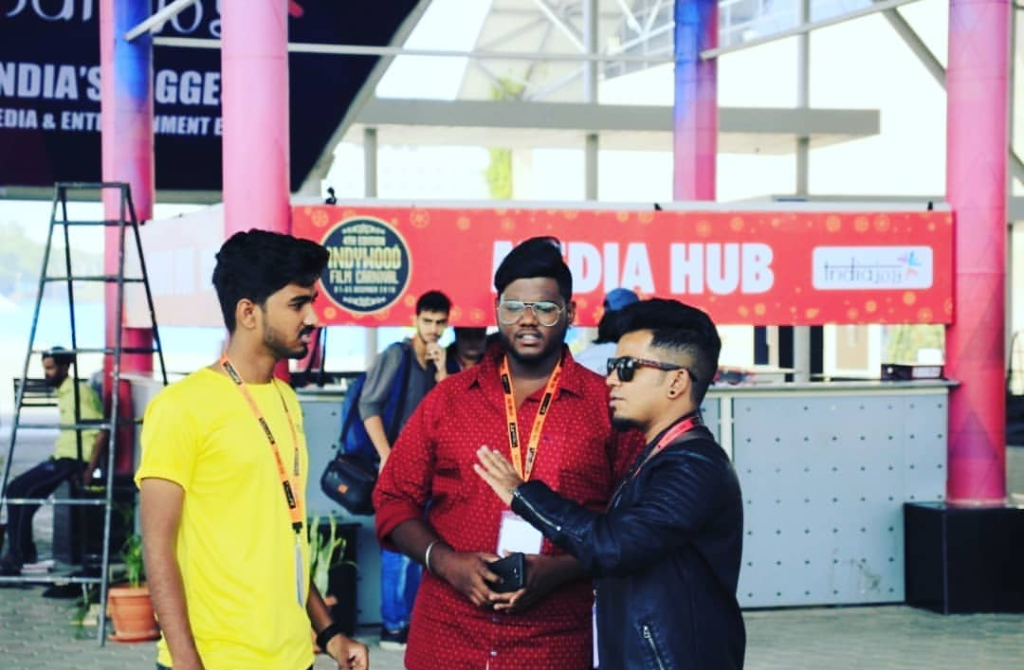
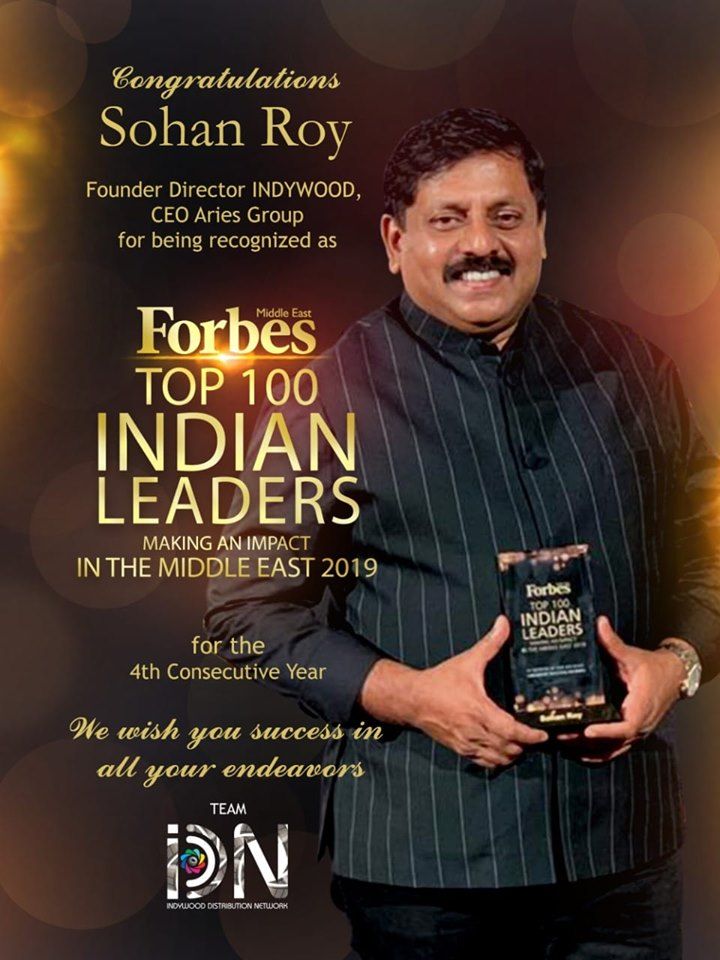
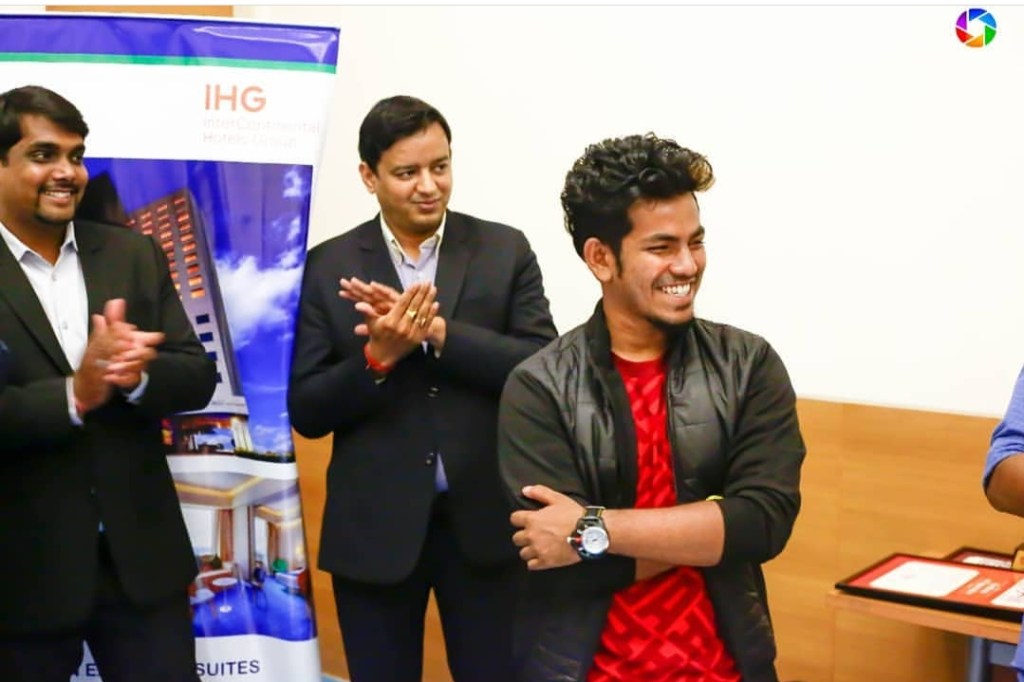
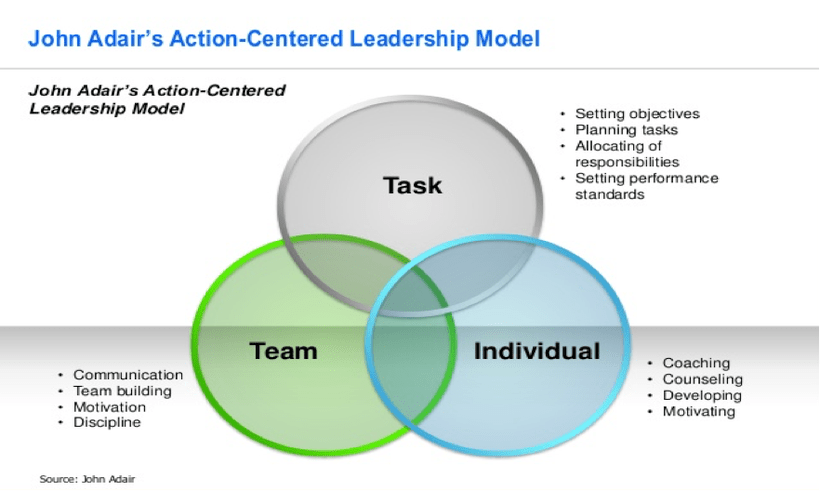
Sohan Roy is a Forbes listed multi-billionaire, CEO and owner of Aries group of companies, with over 53 companies in 15 countries across the world. He started off his career as a Naval architect, conquered the seas and then plunged into his passion towards the Indian film industry (Sohan Roy 2019). Apart from his various accomplishments in the film industry over the years, he is also the owner of the revolutionary US$10 Billion initiative and south Asia’s biggest film carnival, Indywood (IFC 2019).His perspective towards management inspired me so much, that I followed his path and achieved the position of working as the project manager of Indywood for two years. Over my work period, i induced an autocratic leadership towards the 178 employees who used to work under me. My strong delegation and troubleshooting skills helped me throughout my role as a leader and assisted me in completing every task put forth, under the time limit. I soon started facing situations similar to that of the case study of Ricardo Semler (Ricardo YouTube interview) where my subordinates were struggling with high work pressure and health problems due to prolonged working hours. In order to build my team building skills, I decided to adapt to Adair’s model of Action centred leadership (Adair 1979).
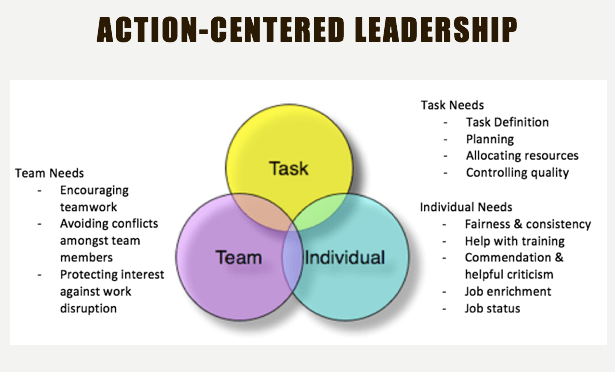
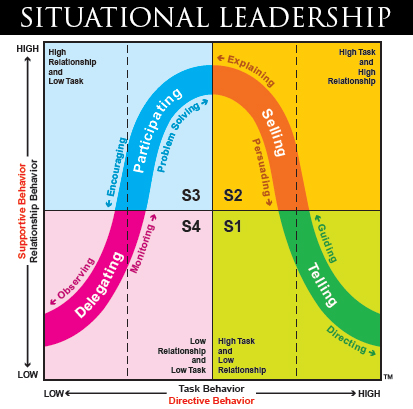
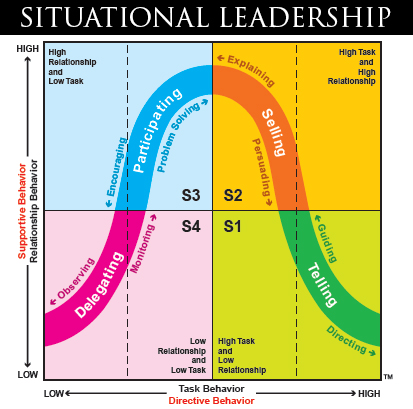
Through the implementation of Adair’s model, I could improve my leadership skills by achieving the objectives of the group, meeting the needs of the individual members of the group as well as maintaining morale and team building spirit (Mullins 2016).Once I have gained the trust and support of the entire team, I would move ahead with a situational leadership style, so that I could analyse each team members ability and assign them tasks accordingly(Brighide team al (2011:1060)),thereby making them more efficient and happy at the same time.
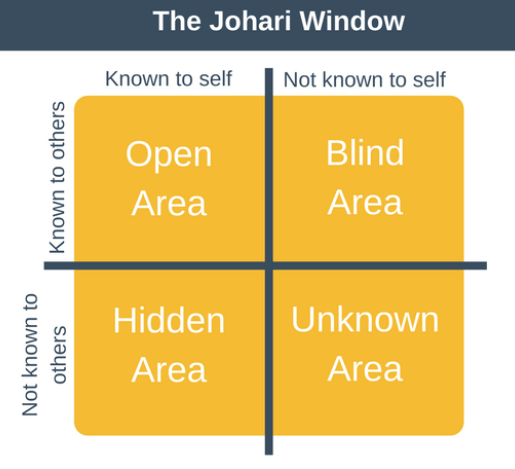
I continued my pursuit towards team management skills by taking up a post graduate degree in management and working close with my colleagues in team building activities.As each activity passed by, I felt the difference in an environment where everyone worked together towards the aim, whilst having fun and respecting each other equally.Getting feedback from my peers played an important role in sculpturing myself, hence I decided to use the Johari window so as to develop a self-insight, thereby reducing the hidden area through self disclosure and the blind area through my teams feedback (Mullins 2016).
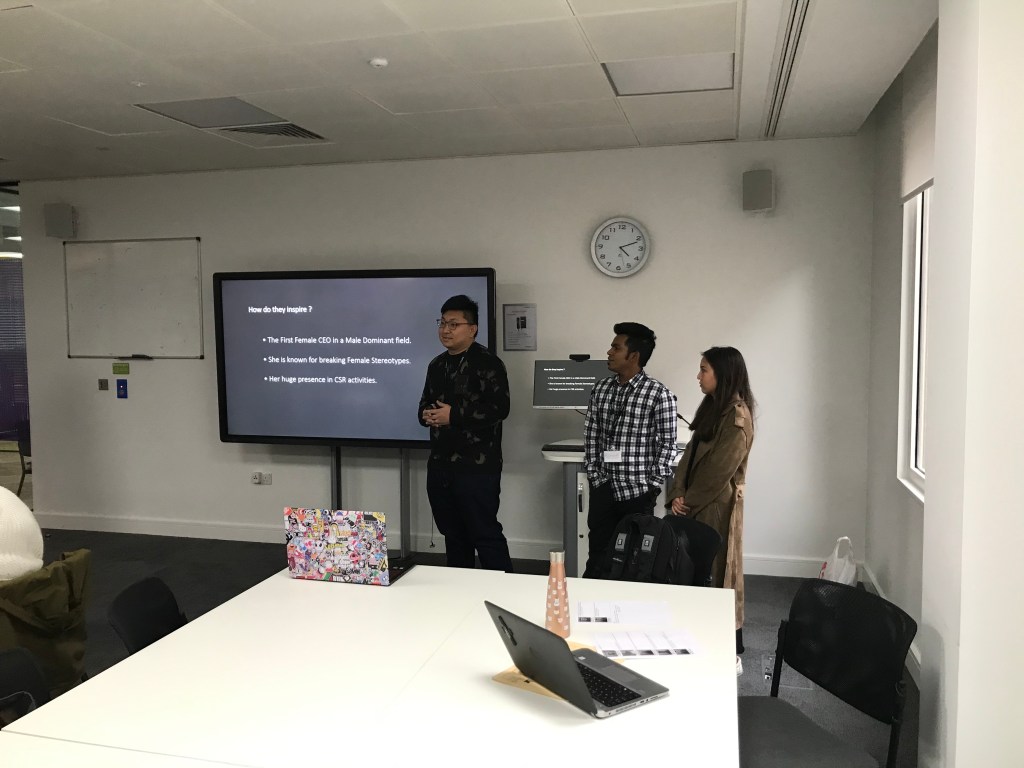

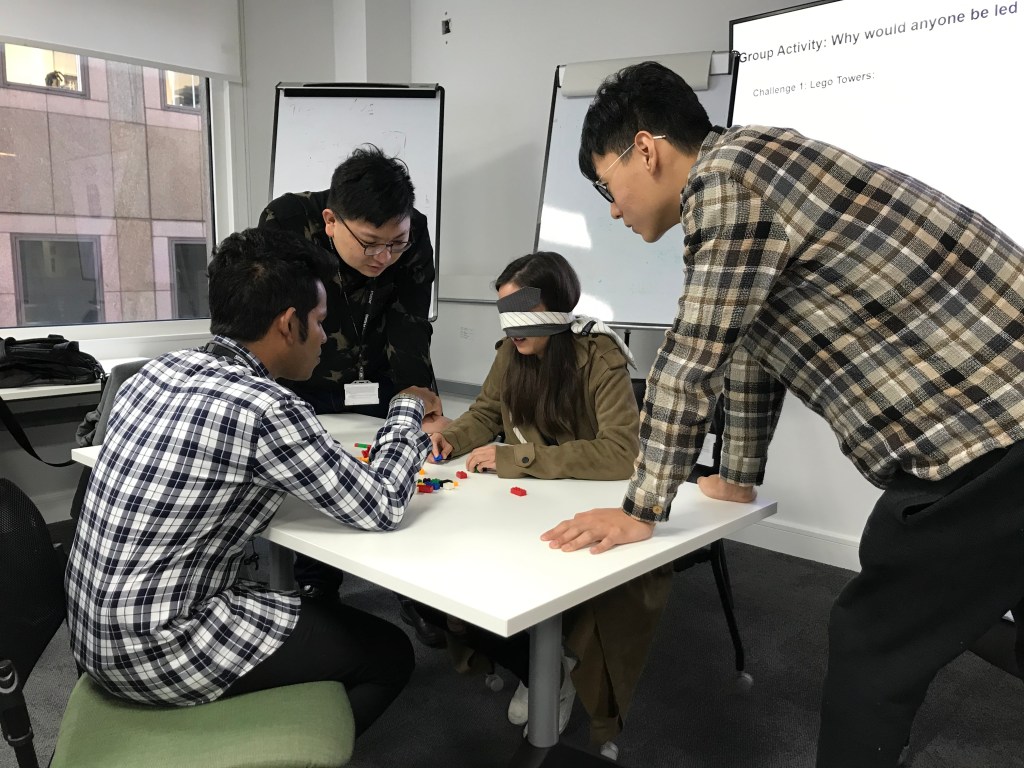
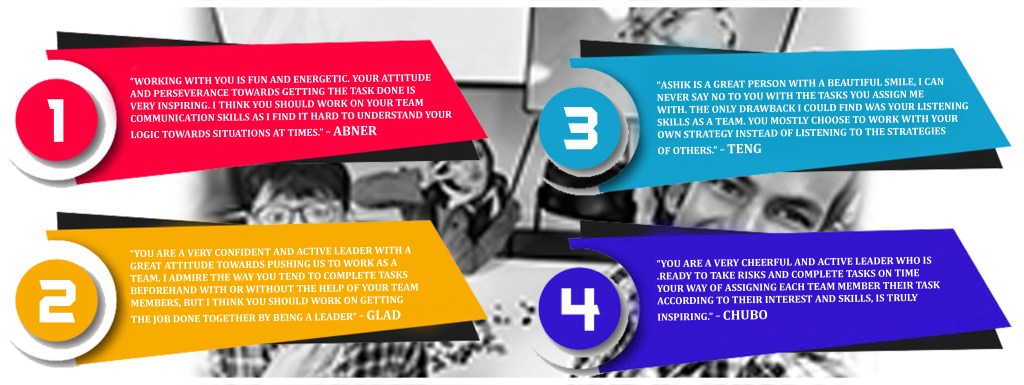
From the various feedbacks that I received from my fellow teammates, I was able to analyse myself and identify the loopholes in my leadership skills. I realised that I had to work on my Team building and listening skills, to achieve a proper democratic leadership. I sorted out to ask myself, how I could lead my team more effectively, and finally came up with a solution. Based on an article by Tuckman and Jensen, we need to structure our leadership plan in steps of Forming, Storming, Norming, Performing and Adjourning so as build up the perfect working team (Tuckman and Jensen (1977)).
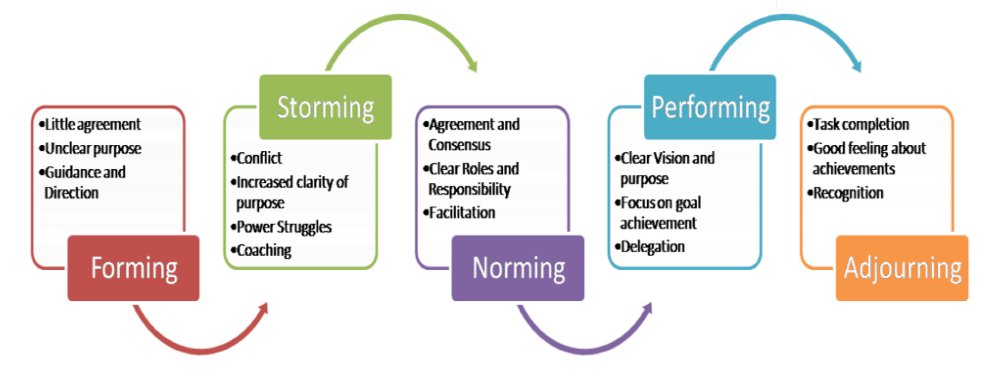
Each person is different with a different set of skills and techniques. If the task is tailored according to their interest, the outcome could be doubled in the same time frame. Therefore, I wish to build and design a team according to Belbins team roles for better output (Belbin 2012). By adapting to leadership styles as mentioned above and the feedbacks from my fellow colleagues, I can surely overcome my drawbacks so as to become the ideal Leader that I had dreamed of, since childhood.
John Adair – Handbook of Management and Leadership, available at http://kolegjifama.eu/materialet/Biblioteka%20Elektronike/Handbook_of_Management_and_Leadership.pdf
Tuckman and Jensen (1977) – available at https://journals.sagepub.com/doi/pdf/10.1177/105960117700200404
Sohan Roy 2019 – available at http://www.sohanroy.com/about.php
IFC 2019 – available at https://www.indywood.co.in/indywood-concept
Ricardo semler case study – available at https://www.youtube.com/watch?v=k4vzhweOefs
Belbin, R.M., (2012). Team roles at work
Riccardo semler youtube interview – available at https://www.youtube.com/watch?time_continue=17&v=USC1RE8jE50&feature=emb_logo
Brighide team al (2011:1060) – available at https://newedgeleadersuzi.files.wordpress.com/2015/03/m005-e04-unit-6-leadership-jan-2015.pdf
John C Maxwell 1993 – Developing the leader within you

“Productivity is never an accident. It is always the result of a commitment to excellence, intelligent planning, and focused effort” – Paul J Meyer (Become the coach you were meant to be – 2007)
Management and planning are the core ingredients of success to all the major companies across the world. The true productivity of a successful company lies in the management and leadership skills of the employees of the company. Being a Mechanical engineer who worked as a project manager in a leading company for two years, I realised that the technical knowledge of a product or service is not only what makes it a success but the management skills and techniques that the leaders of the company induces towards their colleges.
This outcome propels towards the fact that there is a need for change in management and adapting to Hofstede’s cultural dimensions (Hofstede 2014). Management is getting the required work done through the efforts of other people, while Leadership is the process of facilitating individual and collective efforts to accomplish shared objectives (Mullins, 2016). Hence an upgradation from Managers to Leaders is also essential in a company.

British exit or Brexit, as its name suggests is the process of Britain’s exit from the European Union which was triggered on the 29th of March 2017(Brexit) (New York Times – Oct 29,2019). This Major change could possibly affect the cost of living, customers, costs of products, labour costs etc. (The visual journalism team BBC News, 2019). This Blog will discuss the requirement for Change, due to Brexit in the Leading supermarket chain brand known as TESCO along with solutions to overcome the situation for the company.

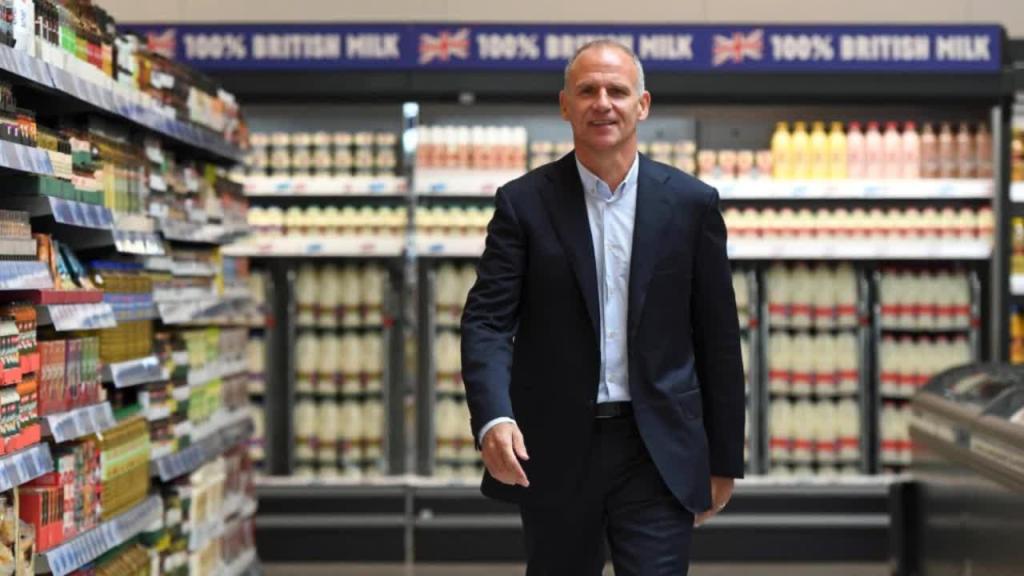
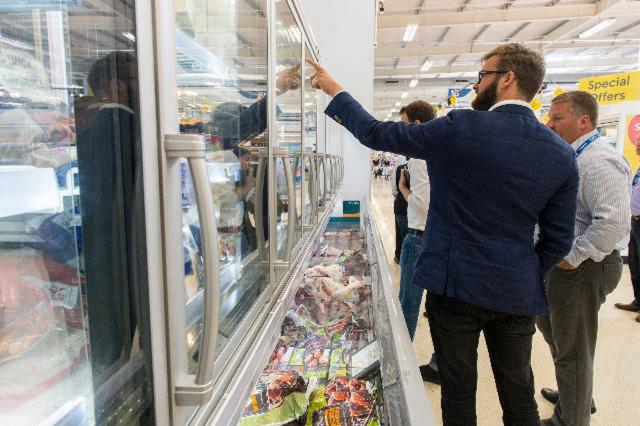
Britain imports about half its food and 30% comes from the EU (The guardian 2019)and it has been warned by the British retail consortium that Tesco would face extra time on delivering perishables, which means most of the food products which has an expiry date of about four days would be held under check-up for two days before reaching the customer, giving them lesser shelf time. As mentioned by Tesco’s chief executive Dave Lewis, “Crashing out of the EU would create problems for Tesco, because it would introduce a hard border between the UK and its neighbours.”. The continuity of supply is one of the major factors that Tesco would encounter as Brexit would adversely affect their benefits in the field of price, quality and choice. As a result of the Brexit uncertainty, the value of sterling has dropped 14% as compared to Euro since 2016 (Sean Farrell 2019). In spite of facing pressure and turmoil, there is still hope and a properly designed strategy can help them adapt and conquer the market thereby upholding their name of being the third largest retailer in the world (tescoplc.com).
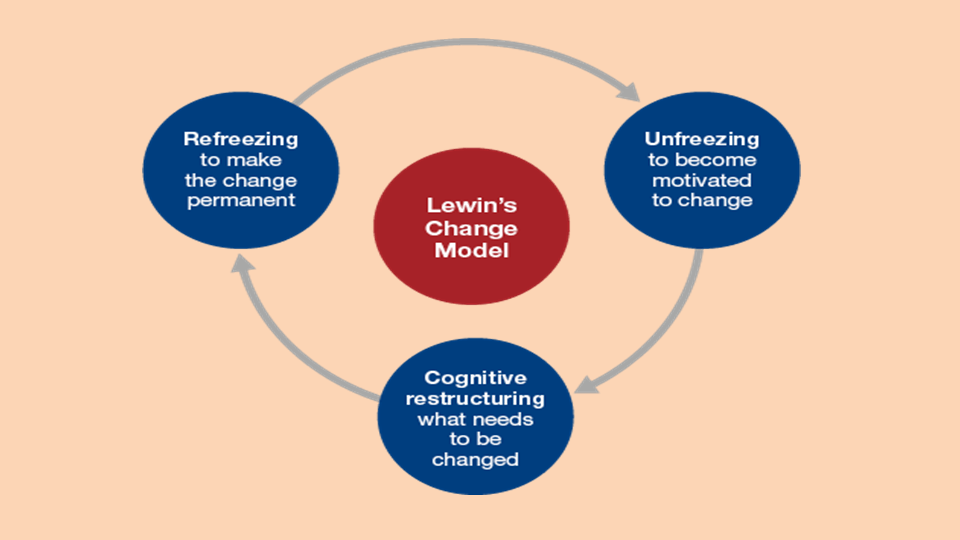
Brexit is indefinitely going to cause an impact on TESCO’s daily work ethics. The effects of Brexit will be different for each branch depending on the work environment, type of customers, transportation distance etc. To overcome this change TESCO should implement Lewin’s change management model (Hussain 2018) through which they must unfreeze from the existing work strategies, analyse the change, find a suitable strategy, adapt and freeze onto the new strategy and implement it smoothly.
All these changes need to be done in the form of an organizational iceberg (Hellriegel- D.Jackson) so as to keep everything in order, by which the process of changing management should be subtle and invisible to the naked eye. To begin off their management strategy, they should introduce a situational leadership so as to build up the team, make them more effective and help them adapt to the new change (Mullins 2016). Change of leadership style or an upgradation in the leadership style of a company will bring a major outcome in improving its performance, similar to the case of Barclays (the guardian 2013).
The Top managers and leaders should then implement Adair’s action centred leadership style (Adair 1973 – Action centred leadership) by which they will have full command over the three main areas of the action centred plan and control over each of the elements according to the situation (Alan chapman 2000-2012).
Once the leaders have control of the situation, they should diagnose the impact of the change (burnes 2009;337) and adapt to the concept of an emergent change (burnes 2010) for which Tesco has to analyse the five major factors in order to attain a successful change.
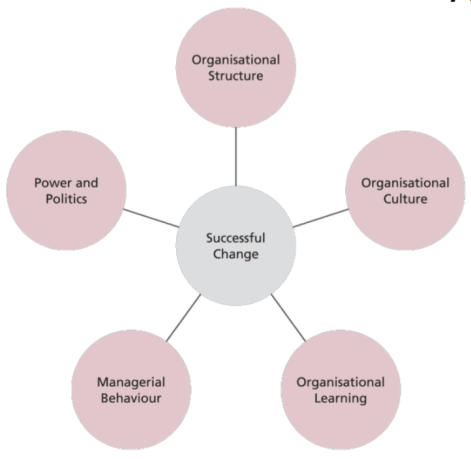
Brexits huge impact will have to be managed perfectly by Tesco in order to overpower the situation. They can start off with Lewin’s change management model through which they would unfreeze from the current strategy and adapt to Adairs action centred plan under a situational leadership style. Once this strategy is implemented, they can analyse and bring together the five major factors of the emergent change thereby bringing a successful change.
This is an example post, originally published as part of Blogging University. Enroll in one of our ten programs, and start your blog right.
You’re going to publish a post today. Don’t worry about how your blog looks. Don’t worry if you haven’t given it a name yet, or you’re feeling overwhelmed. Just click the “New Post” button, and tell us why you’re here.
Why do this?
The post can be short or long, a personal intro to your life or a bloggy mission statement, a manifesto for the future or a simple outline of your the types of things you hope to publish.
To help you get started, here are a few questions:
You’re not locked into any of this; one of the wonderful things about blogs is how they constantly evolve as we learn, grow, and interact with one another — but it’s good to know where and why you started, and articulating your goals may just give you a few other post ideas.
Can’t think how to get started? Just write the first thing that pops into your head. Anne Lamott, author of a book on writing we love, says that you need to give yourself permission to write a “crappy first draft”. Anne makes a great point — just start writing, and worry about editing it later.
When you’re ready to publish, give your post three to five tags that describe your blog’s focus — writing, photography, fiction, parenting, food, cars, movies, sports, whatever. These tags will help others who care about your topics find you in the Reader. Make sure one of the tags is “zerotohero,” so other new bloggers can find you, too.

 Leading in a Changing World